The Tashkent Declaration: what the document meant
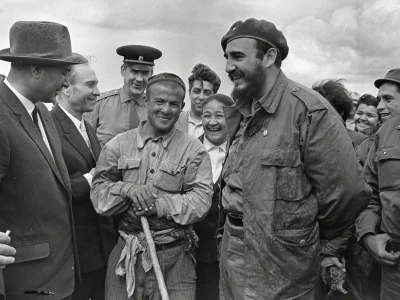
On 10 January 1966 in Tashkent, India’s Prime Minister Lal Bahadur Shastri and Pakistan’s President Ayub Khan signed the Tashkent Declaration. The Soviet government acted as mediator, with Alexei Kosygin taking part in the talks. After an armed conflict between the two neighbours, the document showed that agreement could be reached peacefully.
Why Tashkent? The capital of Uzbekistan was neutral ground for the two large Asian states, yet close to both. As the leader of the republic, Sharaf Rashidov was directly involved in receiving the guests and organising the meeting. The museum’s Diplomacy section holds photographs and documents from those days.
What the exposition shows
The section brings together a group photograph with the delegations, pages from the press of the time and moments of the guests’ stay in Tashkent. Every exhibit has a QR code beside it: the audio guide tells the story in three languages.
The Declaration placed Tashkent on the world map as a city of negotiation.
The museum presents the document not as a political verdict but as an event in the history of the city and its people. The Declaration remains one of the most frequently recalled pages of Uzbekistan’s international history.